


Wobbly Cats: All About Feline Cerebellar Hypoplasia
Cats with Cerebellar Hypoplasia (CH) often appear wobbly or uncoordinated, which is where they get the name "Wobbly Cats". This condition affects the part of the brain responsible for balance and coordination, leading to unique challenges for affected cats. Understanding why CH happens, recognizing its symptoms, and learning how to care for cats with this condition can help owners provide the best support for their unsteady kitties.
🧠What Is Cerebellar Hypoplasia in Cats?

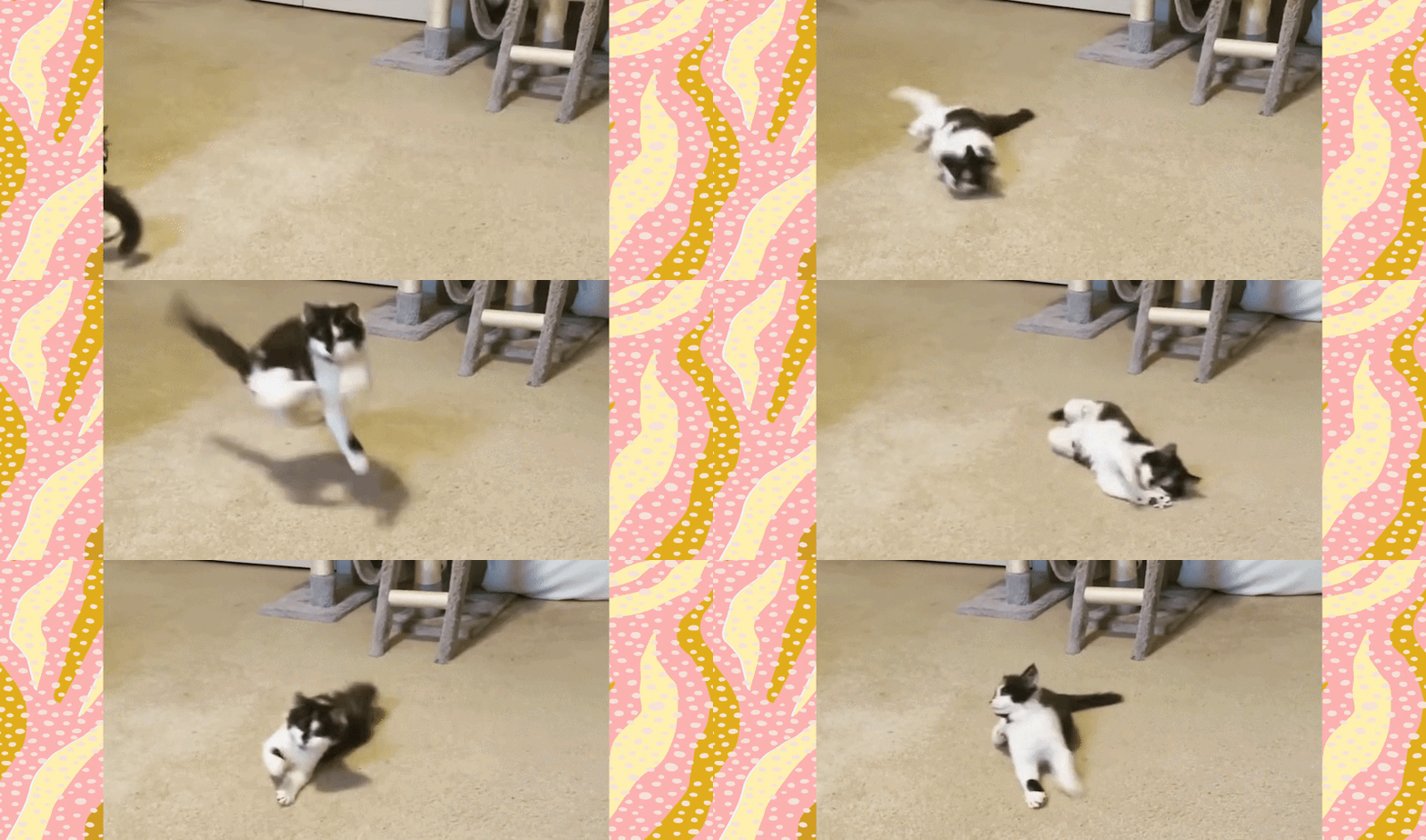
Cerebellar Hypoplasia is a neurological disorder where the cerebellum, the brain region that controls movement and balance, is underdeveloped or damaged. This condition is present at birth and is non-progressive, meaning it does not worsen over time. Cats with CH often have difficulty walking smoothly, maintaining balance, and performing precise movements.
🐈⬛ Recognizing Symptoms of Cerebellar Hypoplasia
Cats with CH display a range of symptoms related to poor coordination and balance. These signs usually become noticeable when kittens start to walk and explore. Common Symptoms Include:
Wobbly or unsteady gait
Cats may appear to stagger or sway while walking. This does lead to tumbling over frequently.
Swaying
Even when stationary, cats may sway back and forth, especially when trying to focus on something like a toy or treat.
Head bobbing
Involuntary movement of the head, often seen when the cat is stationary or trying to focus on a target like a toy or bird.
Tremors
Shaking or trembling, especially when the cat tries to focus on a task like eating and taking treats.
Delayed motor skills
Kittens may take longer to learn to walk or play.
Wide stance
To try and maintain balance, cats often spread their legs farther apart.
Difficulty jumping or climbing
Cats may avoid high places or struggle to land safely.
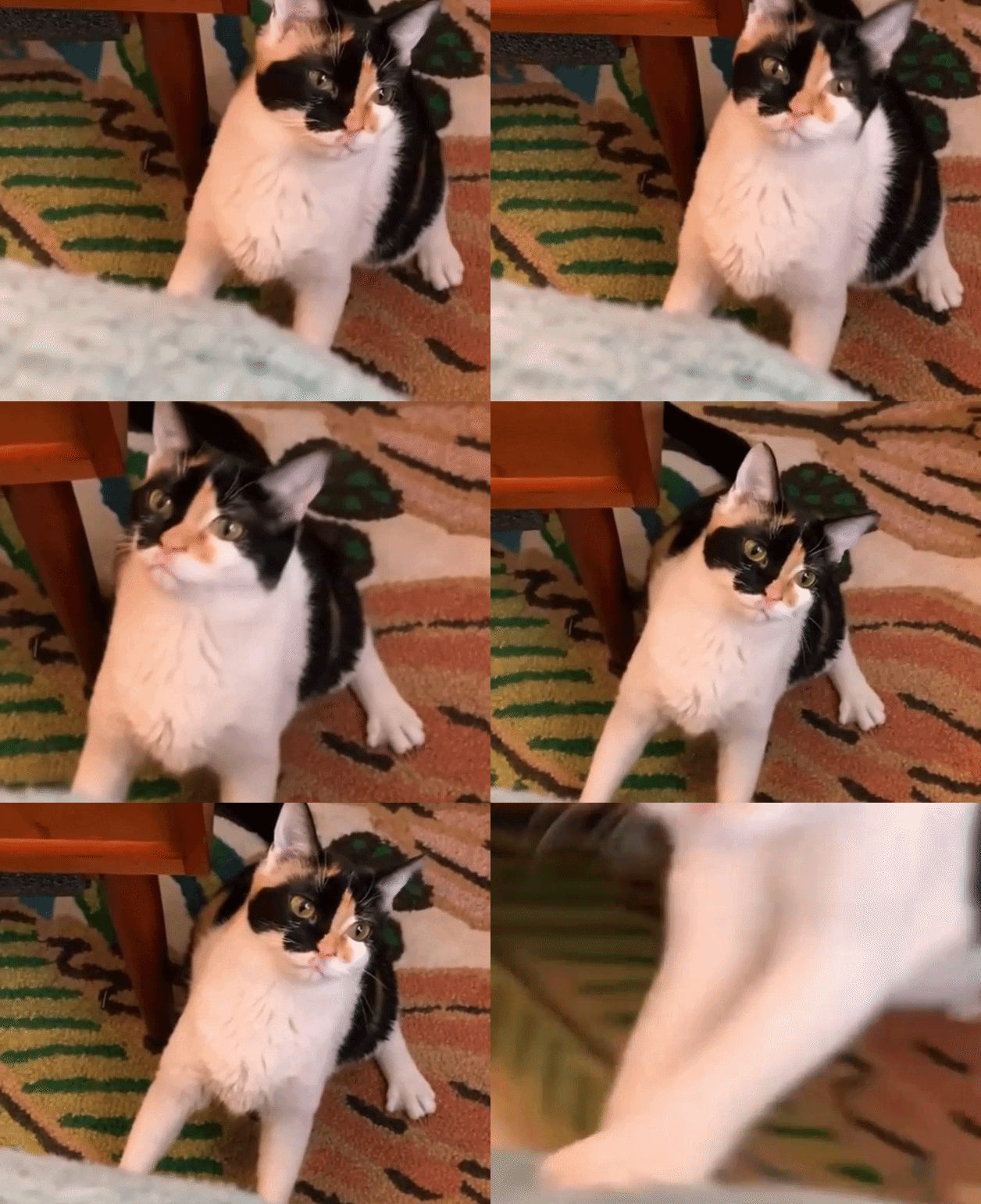
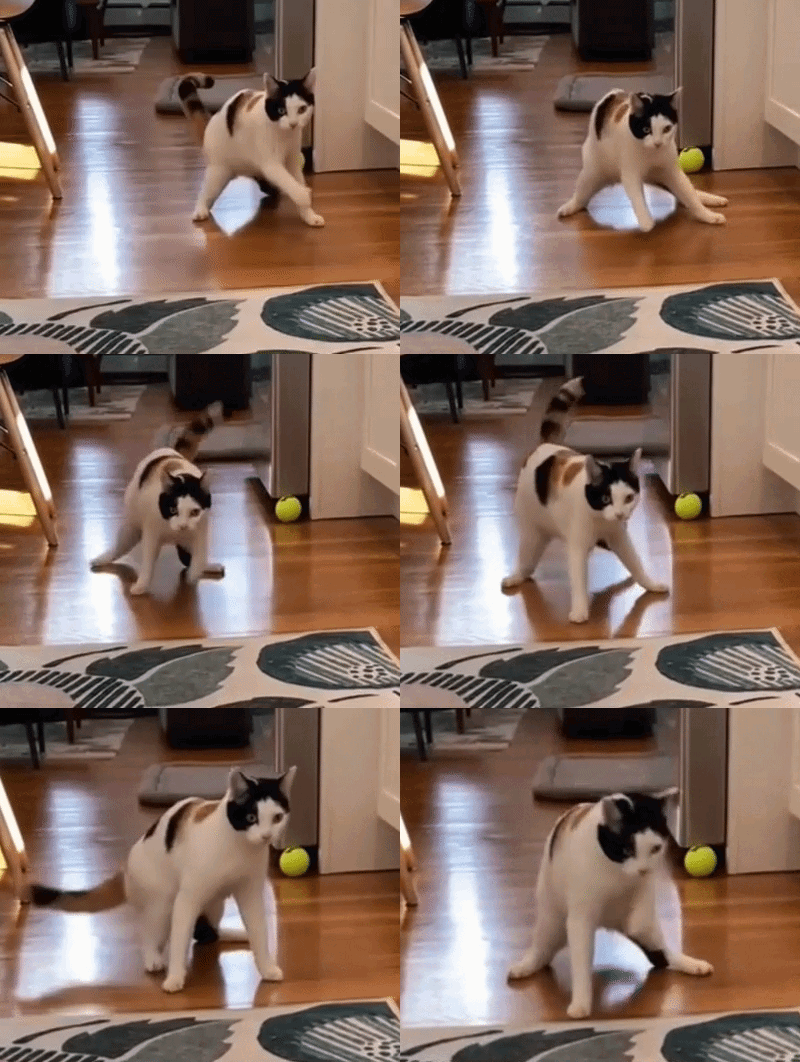
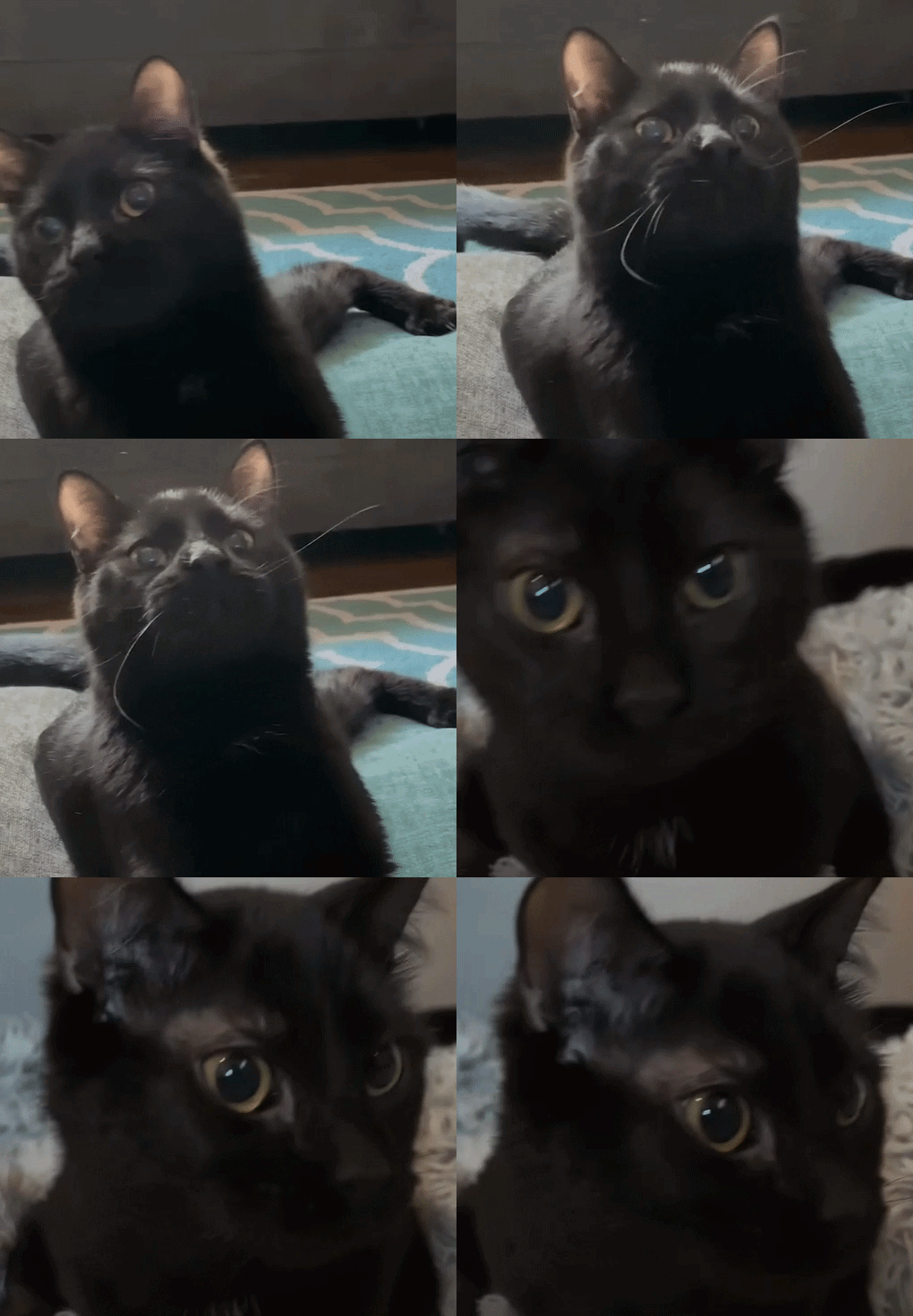
Despite these challenges, cats with CH usually have normal intelligence and with proper care they can live full, happy lives! ♡
🧠 Why Does Cerebellar Hypoplasia Happen?
The most common cause of CH in cats is a viral infection in the mother cat during pregnancy. The feline panleukopenia virus (also called feline distemper) can interfere with the development of the kitten’s cerebellum in the womb. Other causes include:
Genetic factors leading to abnormal brain development
Exposure to toxins or drugs during pregnancy
Nutritional deficiencies affecting fetal brain growth
Since CH is congenital, cats are born with it rather than acquiring it later in life.
💉How to Prevent Cerebellar Hypoplasia
Because the leading cause of CH is in-utero exposure to the feline panleukopenia virus, keeping female cats up to date on core vaccines (specifically the FVRCP vaccine) before they become pregnant is the most significant way to prevent CH developing in kittens.
We recommend spaying and neutering your pets to avoid accidental pregnancies, which can lead to health issues in puppies and kittens.

❤️🩹How to Manage and Care for Cats with CH
Caring for a cat with CH requires patience and some adjustments to their environment to keep them safe and comfortable. Here are practical tips for managing this condition:
Create a Safe Living Space
Remove sharp or otherwise dangerous objects that could injure a wobbly cat if they stumble into it.
Use non-slip mats or rugs to help with traction on slippery floors, especially around their food bowls and other high traffic areas for them.
Provide low, stable resting places instead of high shelves or furniture.
Ensure tables are pulled away from couches so if they fall from the couch they don't have obstacles they could hit on the way down.
Feeding and Grooming Assistance

Use shallow, wide bowls to make eating easier for cats with head tremors.
Walls on either side of the bowl for them to lean on and help keep them upright when eating
Brush your cat regularly to maintain coat health, especially if mobility is limited.
Monitor weight and nutrition to ensure your cat stays healthy.
Support Mobility and Play
Encourage gentle play with toys that don’t require fast or precise movements.
Help your cat climb or jump if needed, using ramps or steps.
Avoid forcing activities that cause frustration or stress.
Regular Veterinary Care
Schedule routine check-ups to monitor your cat’s overall health.
Discuss any changes in mobility or behavior with your vet promptly.
Ask about physical therapy or rehabilitation options that might improve coordination.


Comments