


Hyperthyroidism in Cats: How it Happens, How to Tell, and How to Help
Hyperthyroidism is one of the most common hormone conditions in middle-aged and senior cats. It can affect the heart, kidneys, digestion, blood pressure, and behaviour. The good news is that vets see it often, and we have clear ways to test for it, treat it, and monitor cats over time!
It's far easier to bring your cats thyroid back to normal levels when it's caught early! Knowing the signs before their condition gets away from us helps bring it under control faster and more efficiently.
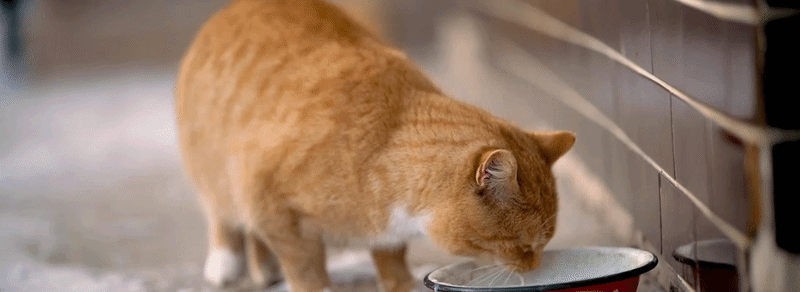
🐈⬛ What hyperthyroidism means in cats
Hyperthyroidism happens when the thyroid glands make too much thyroid hormone. Cats have two small thyroid glands in the neck, near the windpipe. These glands help control metabolism, which is how the body uses energy.
When thyroid hormone levels are high, a cat's body speeds things up, burning calories quickly despite increased food intake. This condition is most common in older cats but is not a normal part of aging. Symptoms like steady weight loss, frequent vomiting, or restlessness should not be attributed merely to age.
HYPER = too high | HYPO = too low | ||
Hyperthermia | High temperature | Hypothermia | Low temperature |
Hyperthyroid | High thyroid values | Hypothyroid | Low thyroid levels |
In cats, hyperthyroid is far more common and what we will be focusing on.
Why it can be missed at first
Early signs can be subtle. A cat may still eat, move around, and act social. Some cats even seem more playful for a while.
That is why hyperthyroidism is often found during a senior wellness exam or routine bloodwork. A vet may notice weight loss, a fast heart rate, a new heart murmur, or a thyroid nodule before the signs become obvious at home.
Hyperthyroidism can also overlap with other conditions common in older cats, such as kidney disease, diabetes, intestinal disease, dental pain, and arthritis. Testing helps sort out what is actually happening.
🐈 Common symptoms of hyperthyroidism in cats
The classic pattern is weight loss despite a strong appetite. Many cats eat more, beg for food, raid bowls, or wake people up for breakfast earlier than usual.
Not every cat follows the classic pattern, though. Some eat less. Some seem quiet instead of restless. Some show only one or two changes.
Watch for these red flags:
Weight loss, can be especially noticed in the face and hips
Increased appetite and water intake
More frequent urination
Vomiting
Restlessness, pacing, or vocalizing more than usual
Poor coat quality; dandruff, matting, or greasy fur
Irritability or other changes in behaviour


🩺 How vets diagnose hyperthyroidism
A vet starts with the full picture, not just one symptom. They will ask about appetite, weight, water intake, litter box habits, vomiting, energy, behaviour, and any current medications or supplements.
During the physical exam, the vet may:
Weigh the cat and compare past records
Check body condition and muscle condition
Listen to the heart
Measure heart rate and rhythm
Feel the neck for enlarged thyroid tissue
Check hydration
Look at the coat, eyes, mouth, and abdomen
Why kidney values matter
Hyperthyroidism can increase blood flow through the kidneys. After treatment begins and metabolism settles, underlying kidney disease may become more visible on bloodwork.
This does not mean treatment “caused” kidney disease. It means the thyroid condition may have been masking how the kidneys were really functioning.
That is one reason vets often recommend a full blood and urine evaluation before treatment, then repeat testing after therapy starts.
💉 Other tests vets may recommend
The main blood test for feline hyperthyroidism is total T4, often written as 'T4' or 'TT4' on lab results. T4 is one of the thyroid hormones circulating in the bloodstream.
When a cat has typical symptoms and a high total T4, the diagnosis is usually straightforward.
This is an example of a staff pet with controlled hyperthyroid; Ember! In 2023 she began losing weight and drinking more water. Her Total T4 at the time was high but with methimazole 2x a day, her T4 is back in the normal range and her weight as increased. She gets her T4 rechecked every 6 months to make sure her medications are still right for her.
Common tests that might be used in the workup
Test | What it helps show |
Total T4 | The main screening test for thyroid hormone level |
CBC (Complete Blood Count) | Checks red and white blood cells and platelets |
Blood chemistry | Looks at liver enzymes, kidney values, electrolytes, and more |
Urinalysis | Helps assess kidney function, hydration, infection, and urine concentration |
Blood pressure | Screens for hypertension, which can occur with hyperthyroidism |
Heart assessment | May include listening, X-rays, ECG, or ultrasound if needed |
The vet will still look at the whole lab panel. Liver enzymes may be mildly increased in some hyperthyroid cats. Kidney values may look normal, borderline, or abnormal. Urine concentration helps complete the kidney picture.
💊 Treatment options
Treatment depends on the cat’s age, overall health, kidney status, temperament, and what is available locally. The goal is to bring thyroid hormone back into a healthy range and reduce stress on the body.
The most available treatment options are medication and a prescription diet.
Medication with methimazole or felimazole
Methimazole is a common first treatment. It reduces thyroid hormone production. It may come as a pill, liquid, or transdermal gel applied to the skin, depending on the veterinarian’s recommendation and what the patient will tolerate.
Medication does not cure the thyroid change. It controls hormone levels as long as the cat continues receiving it.
Vets often recheck T4 and other blood values after starting or changing the dose. They may also check blood cell counts and liver values. Some cats need dose adjustments.
Never change the dose or stop medication without speaking with the vet. A cat can swing back into high thyroid levels if treatment stops.
Prescription diet
Some cats can be managed with a prescription diet that carefully limits iodine, which the thyroid needs to make hormones. This approach only works if the cat eats that diet exclusively and may not fix the problem entirely.
Radioactive iodine therapy
Radioactive iodine, often called I-131, treats overactive thyroid tissue while sparing much of the normal tissue.
It requires a specialized facility and a short isolation period because the cat gives off low levels of radiation for a time after treatment. The details vary by province, facility, and regulations.
This option is not right for every cat or owner, but it can be excellent for suitable patients.
🐾 Life after diagnosis
Many cats do well after diagnosis, especially when treatment starts before severe complications develop. Appetite may become more normal. Weight may stabilize or improve. Restlessness, vomiting, or stool changes may decrease.
Monitoring is part of long-term care. A vet may recommend repeat T4 testing, kidney checks, urine testing, blood pressure readings, and heart follow-up. The timing depends on the treatment type and the cat’s response.
At home, useful details to track include:
Body weight, if the cat can be weighed safely
Appetite changes
Water intake
Vomiting or diarrhea
Energy and sleep patterns
Litter box changes
Medication reaction or missed doses
Cats are good at hiding illness. Regular senior exams and bloodwork help catch changes earlier, when there are often more options.


Comments