


UTI Symptoms in Cats and Dogs: Causes, Symptoms, and Treatment
Urinary tract infections (UTIs) are a common health issue in both cats and dogs. Recognizing the symptoms early can make a significant difference in your pet’s comfort and recovery. This weeks blog explains what causes UTIs, how to spot the signs in your furry companions, and what treatment options are available to help them heal. ♡

🧻 What Causes UTIs in Cats and Dogs
UTIs happen when bacteria enter the urinary tract, which includes the kidneys, bladder, urethra, and sometimes the ureters.
These infections can develop for several reasons:
Bacterial invasion: Most UTIs are caused by bacteria such as Escherichia coli that travel up the urethra.
Urinary tract abnormalities: Structural issues or blockages can trap urine, creating a breeding ground for bacteria. (like a blocked cat, for example...)
Weakened immune system: Pets with compromised immunity are more vulnerable.
Underlying health problems: Conditions like diabetes or bladder stones increase the risk.
Poor hygiene or stress: These factors can contribute, especially in cats.
🐈⚠️ Recognizing UTI Symptoms in Cats
Cats can be subtle about showing discomfort, so watch for these signs:
Frequent urination: Your cat may try to urinate more often and may only produce small amounts.
Straining or crying while urinating: This indicates pain or discomfort.
Blood in urine: Pink, amber, or red tints suggest bleeding or inflammation in the urinary tract.
Licking the genital area excessively: This is a sign of irritation.
Urinating outside the litter box: This behavior often signals a problem.
Changes in behavior: Your cat may seem restless, irritable, or hide more than usual.
A lot of these symptoms do overlap with a "blocked cat"- especially if your cat is male. A blocked cat can very quickly lead to a UTI, and a blocked cat is a much more pressing matter. If you notice any of these symptoms, it’s important to consult a veterinarian promptly.

🐩⚠️ Recognizing UTI Symptoms in Dogs
Dogs often show more obvious signs of UTIs, including:
Frequent urination or accidents indoors: Dogs may need to go more often, stop to pee more on their walks, or have trouble holding their urine when inside the house.
Straining or discomfort while urinating: Similar to cats, this is a key symptom.
Cloudy or strong-smelling urine: This can indicate infection.
Blood in urine: Visible blood is a clear warning sign.
Licking the urinary opening: Dogs may lick to soothe irritation.
Fever or lethargy: In more severe cases, dogs may feel unwell overall.
Because dogs are usually more vocal about discomfort, these symptoms often prompt quicker veterinary visits.
🩺 How Veterinarians Diagnose UTIs
To confirm a UTI, vets typically perform:
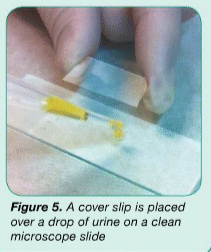
Urinalysis: Examining a urine sample under a microscope to detect bacteria, blood, or crystals.
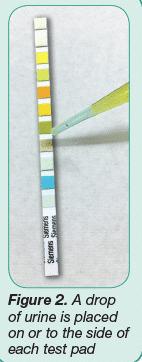
Reagent Strip: Strips with reagent pads that change color when dipped in urine to detect analytes for assessing kidney function, liver health, infections, and diabetes.
Physical exam: Checking for pain or abnormalities in the abdomen and urinary tract.
Blood tests: Sometimes done to rule out other health issues.
Early diagnosis helps prevent complications like kidney infections.
(Plus, we can help your pet feel better, faster!)


💊 Treatment Options for UTIs in Cats and Dogs
Treating a UTI usually involves:
Antibiotics: The main treatment, prescribed based on urine tests results to target the specific bacteria.
Pain and inflammation relief: Medications may be given to ease discomfort
Increased water intake: Encouraging pets to drink more helps flush out bacteria.
Diet adjustments: Special diets can support urinary tract health, especially if stones or crystals are involved.
Follow-up testing: After treatment, vets often recommend repeat urine tests to ensure the infection is cleared.
Owners should never give human or unprescribed antibiotics to pets. DO NOT stop medication early, even if symptoms improve.
❤️🩹 Preventing UTIs in Your Pets
You can reduce the risk of UTIs with these steps:
Provide fresh water at all times: Hydration helps keep the urinary tract clear.
Maintain good hygiene: Regular grooming and cleaning litter boxes or bedding.
Regular vet check-ups: Early detection of urinary issues or underlying diseases.
Reduce stress: Stress can affect immune function
Diet care: Feeding balanced food that supports urinary health.
For cats, using multiple clean litter boxes can encourage proper elimination habits.
☎️ When to Seek Veterinary Help
UTIs can worsen quickly if untreated, leading to serious problems like kidney infections or bladder damage.
Contact your vet if your pet shows one or more of the symptoms we talked about above.
TIP 1: A lot of times the vet can accept a "free catch" urine sample, meaning if you can collect some pee from your pet at home we can run a urinalysis on that!
TIP 2: As a backup, try to bring your pet in with a full bladder! This way if the vet needs a sterile sample, we're able to take one by cystocentesis here in clinic. This is when we use an ultrasound to locate the bladder and draw a sample directly from the bladder.


Comments