


Brachycephalic Pets: Unique Features and Health Conditions
Brachycephalic dogs and cats have captured the hearts of many pet lovers with their distinctive flat faces, goofy personalities, and large expressive eyes. These unique features make them instantly recognizable and very endearing! However, their unusual skull shape also brings specific health challenges that owners should understand so we can provide the best care possible. Let's explore what it means to be brachycephalic, the traits of these pets, and the common conditions they face.

🐾 What Does Brachycephalic Mean?
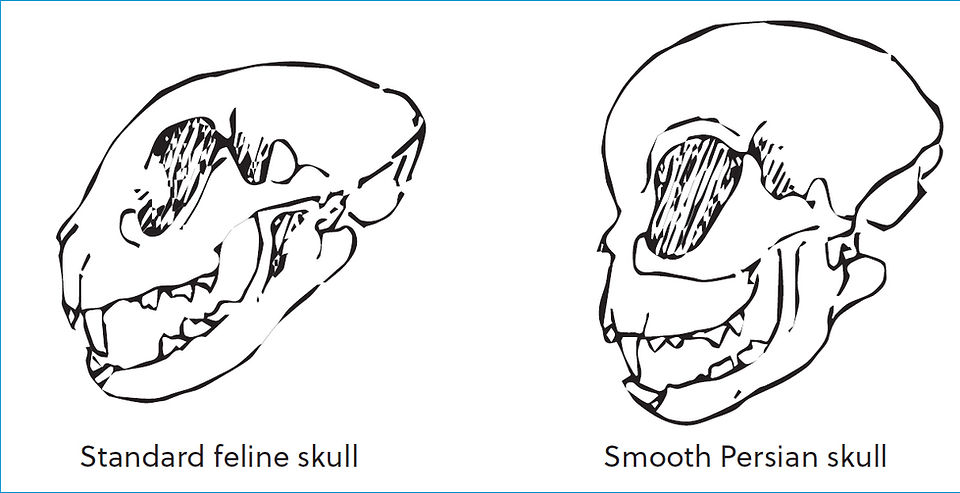
The term brachycephalic comes from Greek roots meaning "short head." It describes animals with a skull shape that is broad and short, resulting in a flattened face. This trait is most common in certain dog and cat breeds, where selective breeding has emphasized these features for aesthetic reasons.
In brachycephalic dogs, the skull is wider and shorter than in other breeds, which pushes the nose and jaw forward but compresses the airway and other facial structures. In cats, brachycephaly is less common but still present in breeds like the Persian.
🐶Common Brachycephalic Breeds🐱
Some popular dog breeds with brachycephalic features include:
Bulldogs (French, American, and English)
Pugs
Boxers
Boston Terriers
Shih Tzus
Pekinese
For cats, the most well-known brachycephalic breed is the Persian, as well as British and American Shorthair.
These breeds are often chosen for their charming looks and friendly personalities, but their physical traits require special attention.
🦷 Unique Traits of Brachycephalic Dogs and Cats
The most obvious trait is the flat face with a short nose. This gives them a distinctive appearance but also affects their anatomy in several ways:
Large, round eyes that are more exposed and prone to injury and dryness
Shortened jaw which can cause dental crowding and possibly a dramatic underbite
Narrowed nostrils that reduce airflow
Extended soft palate and everted laryngeal saccules meaning the airway is partially blocked by excess tissue
Compressed upper airway and trachea leading to breathing difficulties
These features make brachycephalic pets prone to overheating and respiratory distress, especially in hot or humid weather.

❤️🩹 Health Conditions Common in Brachycephalic Pets
The unique skull shape of brachycephalic dogs and cats leads to several health issues, often grouped under the term brachycephalic airway syndrome. This syndrome includes:
🫁 Breathing Difficulties
Many brachycephalic animals struggle to breathe normally. Their shortened airways, narrow nostrils, and crowded trachea make it harder to get enough oxygen, especially during exercise, overheating, or stress. Signs of breathing problems include:
Loud snoring or snorting
Difficulty breathing or panting excessively
Blue or pale gums/tongue indicating low oxygen levels
👁️ Eye Problems
Because of their large, prominent eyes, brachycephalic pets are more likely to suffer from:
Corneal ulcers or scratches
Dry eyes due to poor tear production
Increased risk of eye infections
Owners should watch for redness, cloudiness, discharge, or excessive tearing.
🦷 Dental Issues
The shortened jaw can cause teeth to be crowded or misaligned. This increases the risk of:
Tooth decay
Gum disease
Difficulty chewing
Regular dental check-ups and cleanings are essential.
☀️ Heat Sensitivity
Brachycephalic pets cannot cool themselves as efficiently as other animals. Their compromised airways limit panting, which is a primary way dogs and cats regulate body temperature. This makes them vulnerable to heatstroke, especially in warm climates or during vigorous activity.
Owners should watch for:
Excessive panting and drooling
Collapse
Exercise intolerance or lethargy
Vomiting
🦠 Skin Fold Infections
Many brachycephalic breeds have deep skin folds around their face. Some breeds with short tails can even have folds around this area. These folds can trap moisture and bacteria, leading to infections or irritation. Regular cleaning and monitoring are necessary to prevent problems.
Signs of skin fold infections include:
Red, raw looking skin
A noticeable odor
Discharge, bleeding, scabbing, and/or flaking.



🤍 Caring for Brachycephalic Dogs and Cats
Owners of brachycephalic pets need to take extra steps to keep their animals healthy and comfortable:
Monitor breathing: Watch for signs of distress and avoid overexertion.
Keep cool: Provide shade, fresh water, and avoid hot weather walks.
Regular vet visits: Early detection of respiratory or eye issues can improve outcomes.
Dental care: Brush teeth regularly and schedule professional cleanings and x-rays.
Clean skin folds: Gently clean and dry facial folds to prevent infections.
Weight management: Maintaining a healthy weight reduces strain on the respiratory system and helps regulate temperature.
🩺 When to Seek Veterinary Help
If a brachycephalic pet shows persistent breathing problems, excessive coughing, fainting, or eye injuries, immediate veterinary care is crucial. Some pets may require surgical procedures to widen nostrils or remove excess palate tissue to improve airflow.
These are called Stenotic Nares surgery and a Soft Palate Reduction surgery
📚 Know What You're Getting Into
If you are considering adopting a brachycephalic pet, research the breed thoroughly and prepare for the extra care they may need. Regular veterinary check-ups and attentive home care make a big difference in their quality of life.


Comments