


Ear Infections; The Causes, The Symptoms and The Fix
A pet with an itchy, painful ear rarely keeps it quiet for long. The head shaking starts, then the scratching, then the smell that tells you something is not right. Ear problems are common, but they can move from mild irritation to serious pain quickly.
Ear infections are not just “dirty ears.” They often point to an underlying problem, such as allergies, mites, trapped moisture, debris, or a foreign object lodged deep in the ear canal. Some pets are also built in a way that makes ear trouble more likely.
This blog contains info on the breeds more likely to develop ear infections, the different possible causes, and how to get their ears clear and ready for listening! (...or not ♡ )

👂🏼 Why ear infections happen in our pets

The ear canal is warm, narrow, and slightly moist. That can make it a good place for yeast and bacteria to grow! In many cases, infection is the result of another issue that creates inflammation or traps debris.
A healthy ear should not smell bad, look red, have chucky debris, or hurt when touched.
Some breeds are more prone to ear infections
Any dog or cat can get an ear infection, but some pets have a higher risk because of ear shape, coat type, or skin sensitivities.
Dogs with long, heavy, floppy ears tend to trap warmth and moisture. Air does not move through the ear canal as easily, especially after swimming or bathing. Breeds and breed types often seen with ear problems include:
Hounds, such as basset hounds and bloodhounds
Spaniels, such as cocker spaniels and springer spaniels
Poodles, doodles, and other poodle mixes
Dogs with dense hair around or inside the ear canal

Poodles other curly canines may have dense hair that grows near the ear opening or even in the ear. This can hold wax or debris and traps moisture.
Not every dog with hairy ears needs ear plucking, though. Over-plucking can also irritate the canal, so grooming choices should match the individual pet.
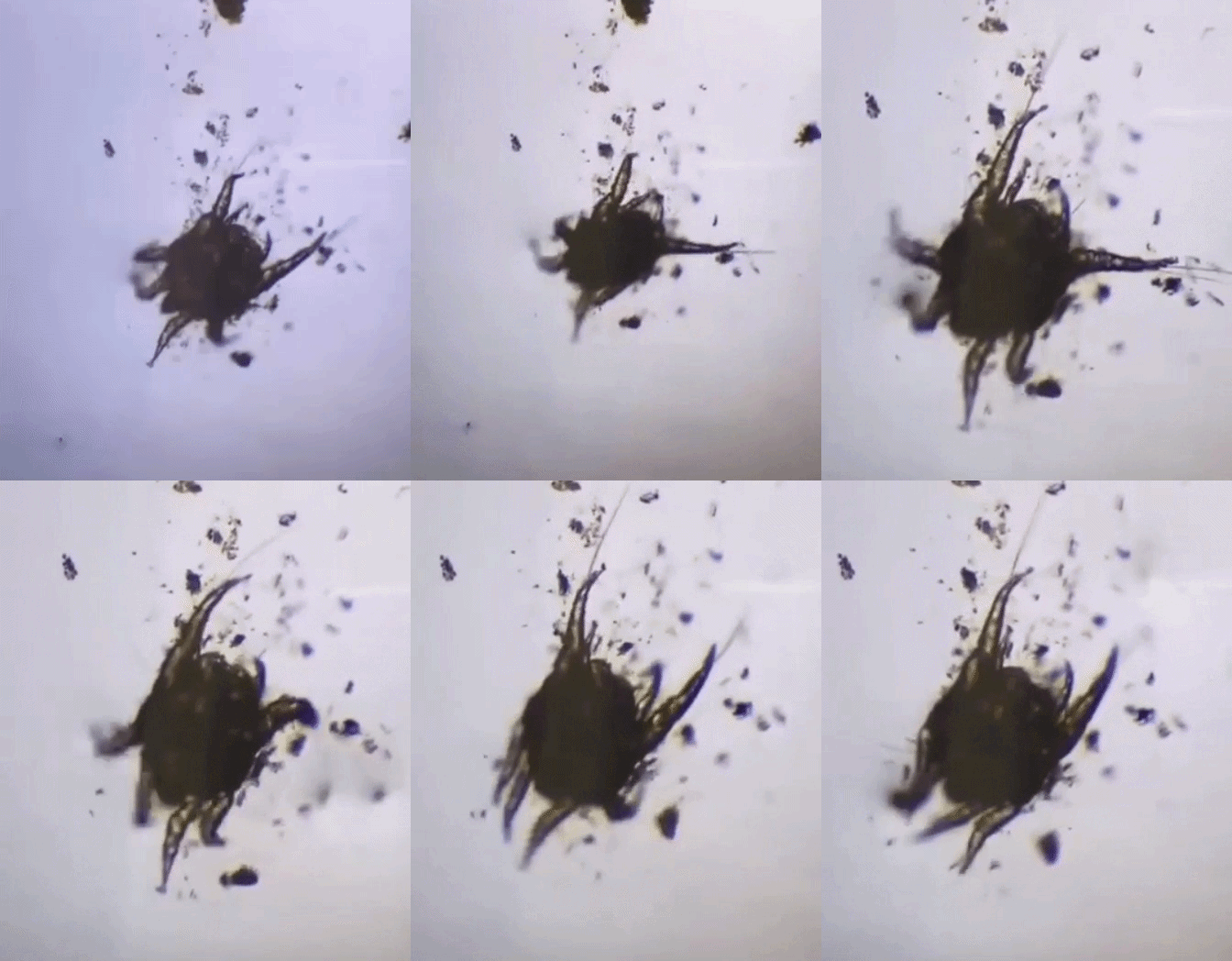
Cats are less likely than dogs to have routine ear infections, but they are more likely to have certain causes, especially ear mites.
Ear mites are tiny, contagious parasites (Otodectes cynotis) that feed on earwax and skin oils.
🔬 Common causes of ear infections
Ear infections usually have a trigger. Treating only the infection without finding the cause can lead to repeat flare-ups.
🍃 Allergies
Allergies are a common cause of recurring ear infections in dogs. Food sensitivities, environmental factors, pollen, mold, dust mites, and seasonal irritants can inflame the skin, affecting the ear canal.
Pets with allergy-related ear issues may also lick their paws, chew their skin, rub their face, or experience recurring skin infections. Ear problems may worsen seasonally or improve with treatment, only to return after medication stops.

🕷️ Ear mites
Ear mites are tiny parasites that live in the ear canal. They are especially common in kittens, outdoor cats, and pets that have contact with infected animals. They can cause intense itching, dark crumbly debris, redness, and scratches around the ears.

Dogs can get ear mites too, but they are less common in adult dogs than in cats. Because mites are contagious, all pets in the home may need assessment if one pet is diagnosed.
🌾 Foreign objects
Twigs, speargrass, foxtails, seeds, and other plant material can work their way into the ear canal. This can happen after a walk through fields, tall grass, trails, or rural areas.
A foreign object often causes sudden symptoms. A dog may come home from a walk and start violently shaking the head or holding the head to one side. These objects can be painful and may move deeper into the canal, so veterinary care is needed.


💧 Trapped moisture
Moisture softens the ear canal and changes the local environment. Humid weather, frequent swimming, and baths can increase the chance of yeast or bacterial overgrowth, especially in dogs with floppy ears.
This does not mean every swimming dog will develop ear issues. It does mean that dogs with a history of ear infections may need extra care after water exposure.
🕯️ Wax and debris buildup

Some pets naturally produce more ear wax. Others build up debris because of ear shape, hair, skin disease, or poor airflow.
Wax itself is not always a problem, but too much buildup can trap moisture and foreign debris like pollen, dust, or sand.
Dark, smelly, greasy, or excessive discharge should not be treated as normal wax. It may be yeast, bacteria, mites, blood, or a mix of debris and infection.
Symptoms that should not be ignored
Ear infections can be painful. Pets may hide the pain at first, but the signs often become clear as irritation gets worse.
Watch for these common signs;
Head shaking
Repeated shaking can mean the ear feels itchy, wet, painful, or blocked.
Head tilt
A tilted head may signal discomfort, a foreign object, deeper infection, or balance involvement.
Scratching or rubbing the head
Pets may scratch with a back foot or rub the ear against carpet, furniture, grass, or a person’s hand.
Bad odour
A sour, musty, or strong smell often points to yeast or bacterial overgrowth.
Discharge
Discharge may look brown, yellow, black, bloody, greasy, or pus-like.
Redness or swelling
The inner ear flap or canal opening may look inflamed.
Scabs or hair loss
Scabs can form from scratching, rubbing, or skin infection around the ears.
Pain or sensitivity
A pet may pull away, cry, growl, flatten the ears, or resist touch.
❤️🩹 Help protect ear health
Not every ear infection can be prevented, especially when allergies or anatomy play a role. Still, good ear habits can reduce risk and help catch problems early!

Check ears regularly
A quick look once a week can help you learn what is normal for your pet. Healthy ears are usually light pink, comfortable to touch, and free from strong odour or heavy discharge.
Look for redness, wax buildup, scratches, swelling, or anything stuck in the fur around the ear. It's great to get dogs used to their ears being inspected when they're young!
Dry ears after swimming or bathing
If a dog swims often or lives in a humid area, dry the outer ear gently after water exposure. Use a soft towel or cotton pad around the ear flap and visible opening only.
Avoid cotton swabs deep in the ear canal. They can push debris farther down or injure delicate tissue.
Do not use alcohol, peroxide, vinegar, essential oils, or homemade mixtures unless your veterinarian specifically recommends them.
Use ear cleaners correctly
Ear cleaners can help some pets, but the wrong product can make pain worse, especially if the eardrum is damaged.
If your vet has recommended a cleaner, follow the label or clinic instructions. In general, the goal is to fill the canal with the cleaner, massage the base of the ear, let the pet shake, then wipe away loosened debris from the visible area.
Do not keep cleaning an ear that becomes more painful, red, or swollen.
Manage allergies and skin disease
Pets with recurring ear infections often need long-term allergy control. This may include diet trials, parasite prevention, itch control medication, medicated bathing, or treatment for skin infections.
When allergies are under control, ear flare-ups often become less frequent and less severe.
Keep grooming gentle
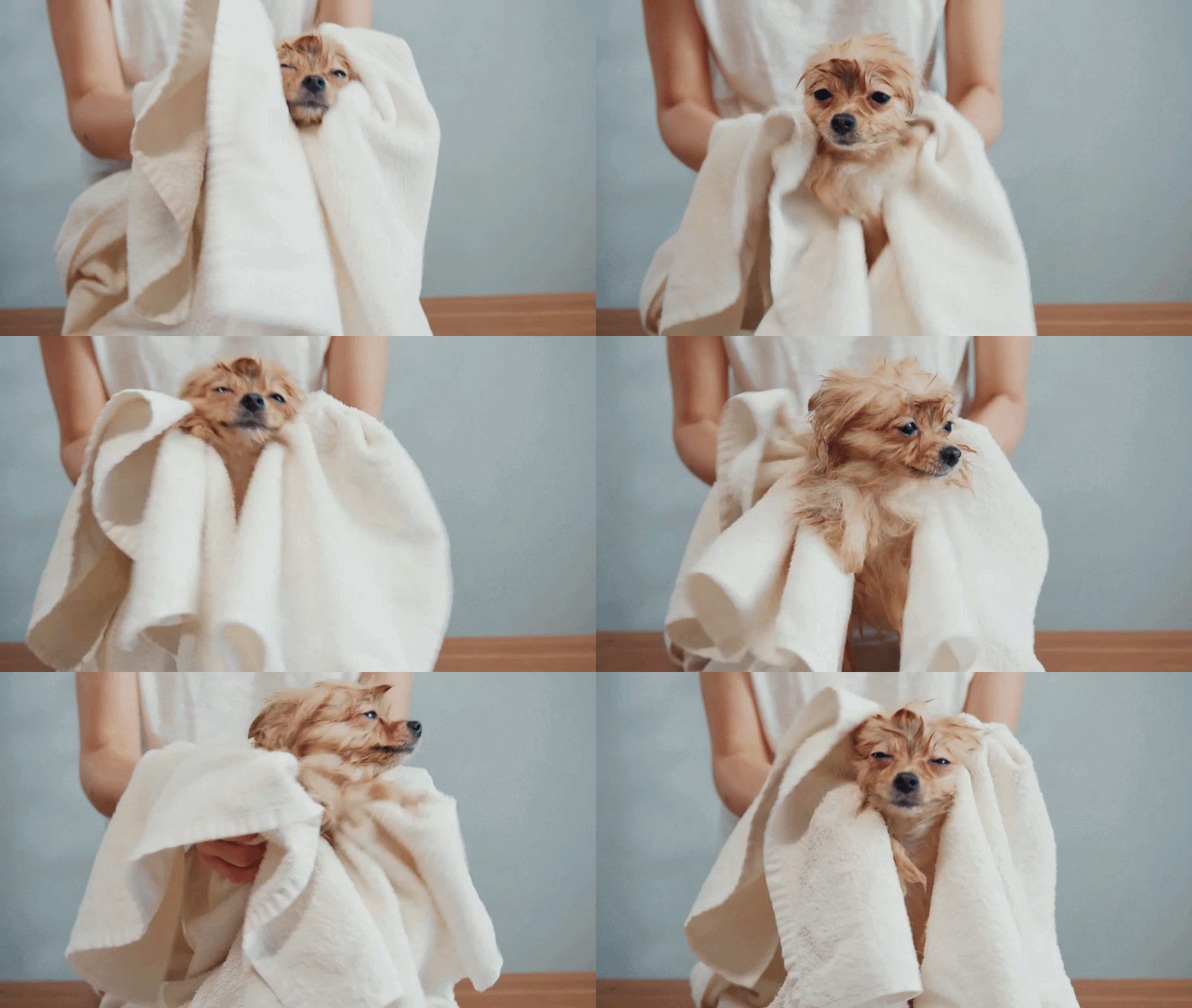
Dogs with hairy ears may benefit from careful grooming around the ear opening. The goal is airflow and cleanliness, not irritation.
Ask a veterinarian or experienced groomer whether your dog’s ear hair should be trimmed, thinned, or left alone. If your pet’s ears become red or sore after grooming, mention it before the next appointment.
🩺 Vet care is the safest way to treat ear infections
An ear infection requires accurate diagnosis, as yeast, bacteria, mites, allergies, and foreign objects appear similar but need different treatments. If the ear drum is compromised, treatment and medication must be adjusted to prevent hearing loss.
A veterinarian may examine the ear with an otoscope, check for debris or plant material, and look at a sample under a microscope. This helps identify yeast, bacteria, mites, or inflammatory cells. If infections are severe or recurring, the vet may recommend further testing.
Treatment may include:
Medicated ear drops or ointments
Ear cleaning at the clinic
Pain relief or anti-inflammatory medication
Parasite treatment for mites
Removal of a foreign object
Allergy management
Recheck appointments to confirm the infection has cleared

Rechecks matter. An ear may look better on the outside while infection remains deeper in the canal. Stopping treatment too soon can allow the problem to return.
Never use leftover ear medication from another pet or a past infection without veterinary direction.
Some products are unsafe if the eardrum is ruptured, and the wrong medication can delay healing or worsen symptoms.
⭐ The key takeaway for healthier ears
Ear infections in cats and dogs are common, but they are not normal routine annoyances. They are signs that the ear canal is inflamed, infected, irritated, or blocked.
The best approach is simple: know what your pet’s healthy ears look and smell like, keep them dry and clean when advised, manage allergies early, and call a veterinarian when symptoms appear. Quick care can save your pet from pain and help prevent a small ear problem from becoming a chronic one!


Comments